This was gaza

Foreword

This story grew out of a project undertaken in October 2022: a journey on foot across the Gaza Strip from north to south. From the Eretz checkpoint to Rafah, the aim was to move beyond the media-driven boundaries and stereotypes that shaped our perception of a territory usually covered only during the conflicts that have regularly devastated it. Without denying the obvious realities—radical Islamism, oppression, and the omnipresence of Hamas security services—the goal was to tell the story of ordinary life in a place that is anything but ordinary.

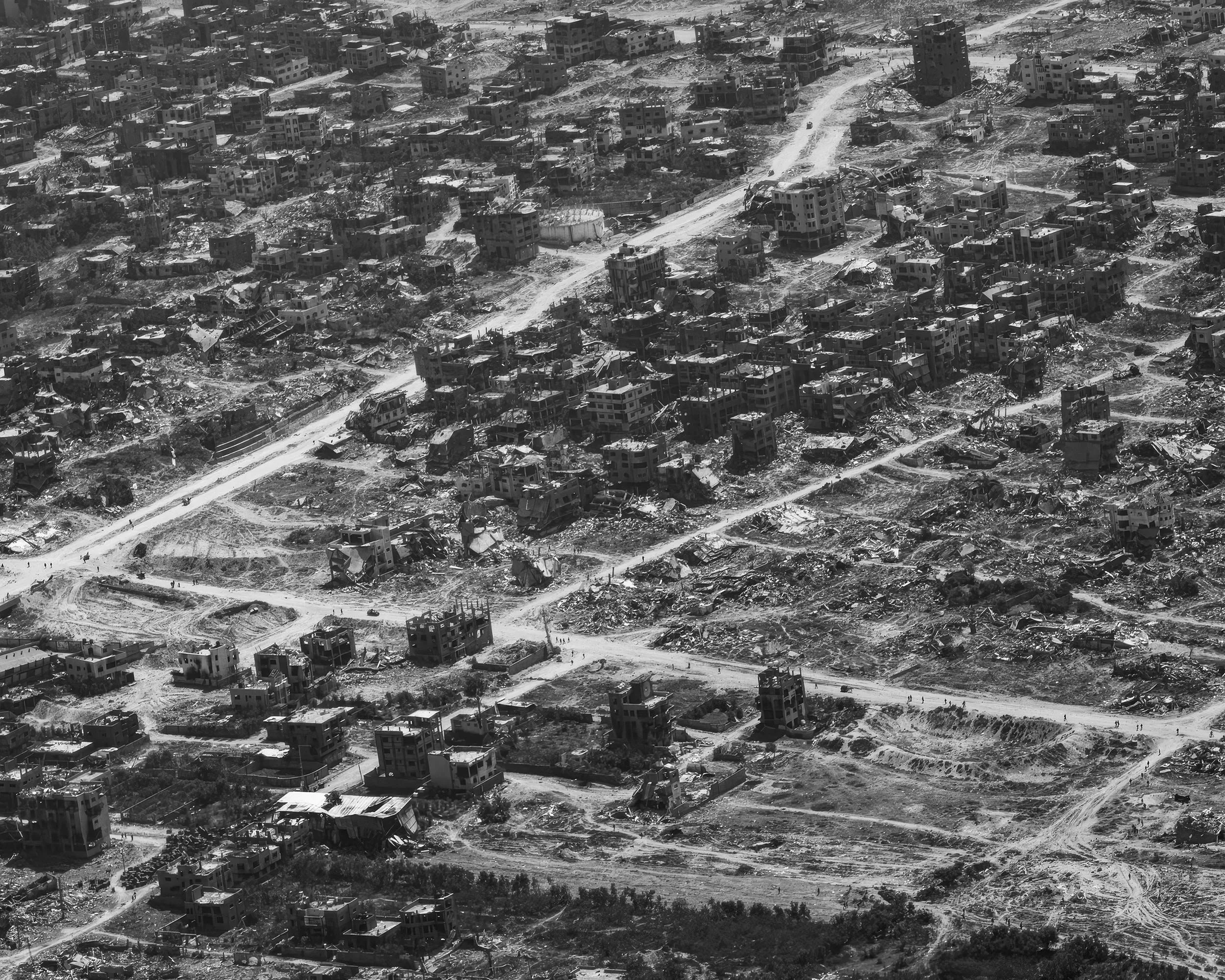
Produced with journalist Louis Imbert and the support of fixers Hassan Jaber and Ashraf al-Masri exactly one year before the war, this story has taken on new meaning in light of the devastation of much of the territory, the tens of thousands of deaths, and destruction on a scale rarely seen in the 21st century.

What began as a photographic chronicle of life in Gaza has become a testament to what this tiny strip of land once was—a memory of a world that will never exist again.

Hassan and Ashraf are still in Gaza.

This was Gaza

It is a tiny strip of land—barely 40 kilometers long and 6 to 12 kilometers wide—home to two million inhabitants. A territory that is as difficult to access as it is the subject of fantasy, like anything unknown. It is the epicenter of a geopolitical shockwave currently rippling across the globe.

In our minds, Gaza—an open-air prison since Hamas seized power and the subsequent total Israeli blockade—was most often associated with radical Islamism, the omnipresence of security services, and oppression; these are indeed part of the reality. Yet Gaza was also about daily life: women and men trying to live as best they could within a confined space.

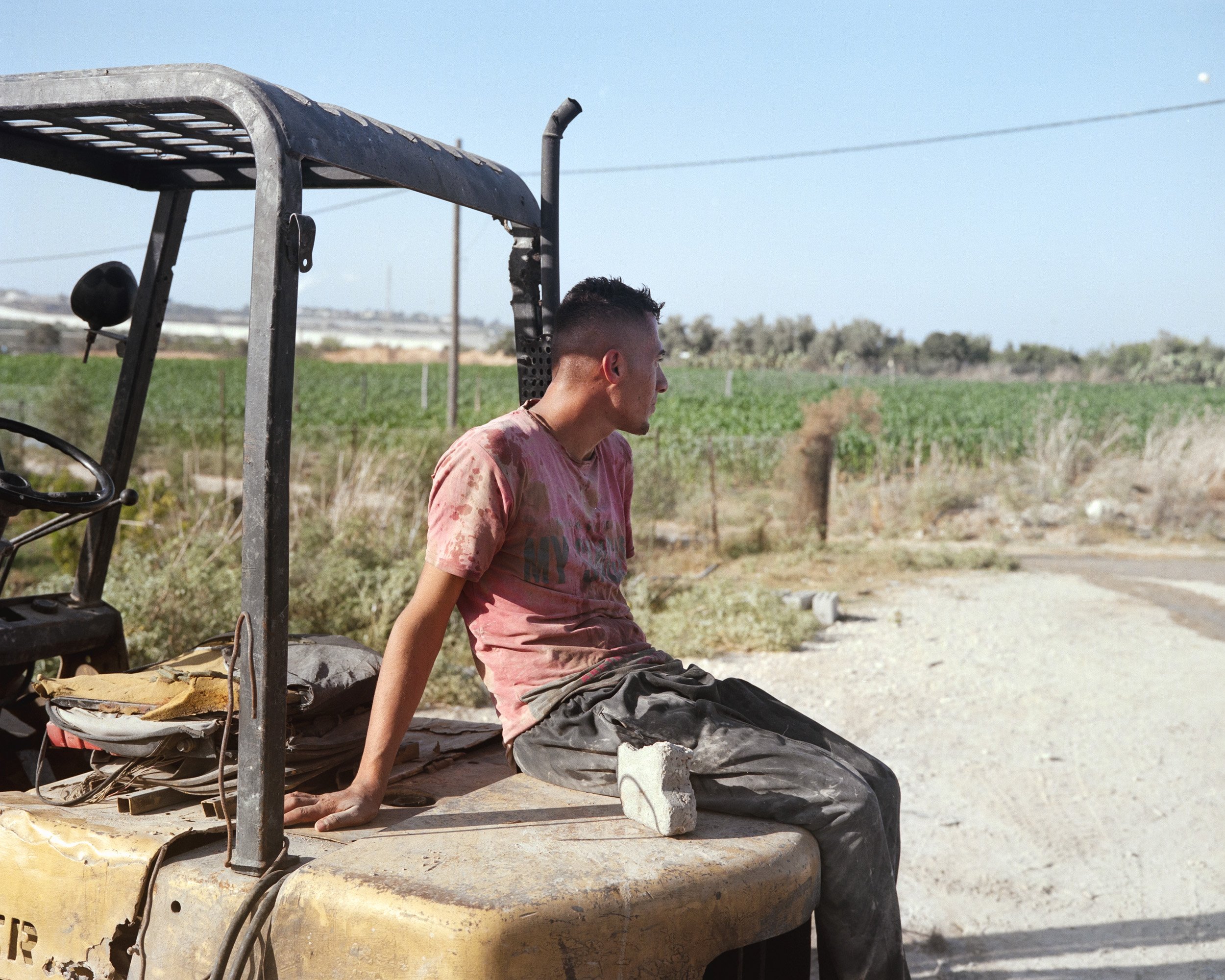
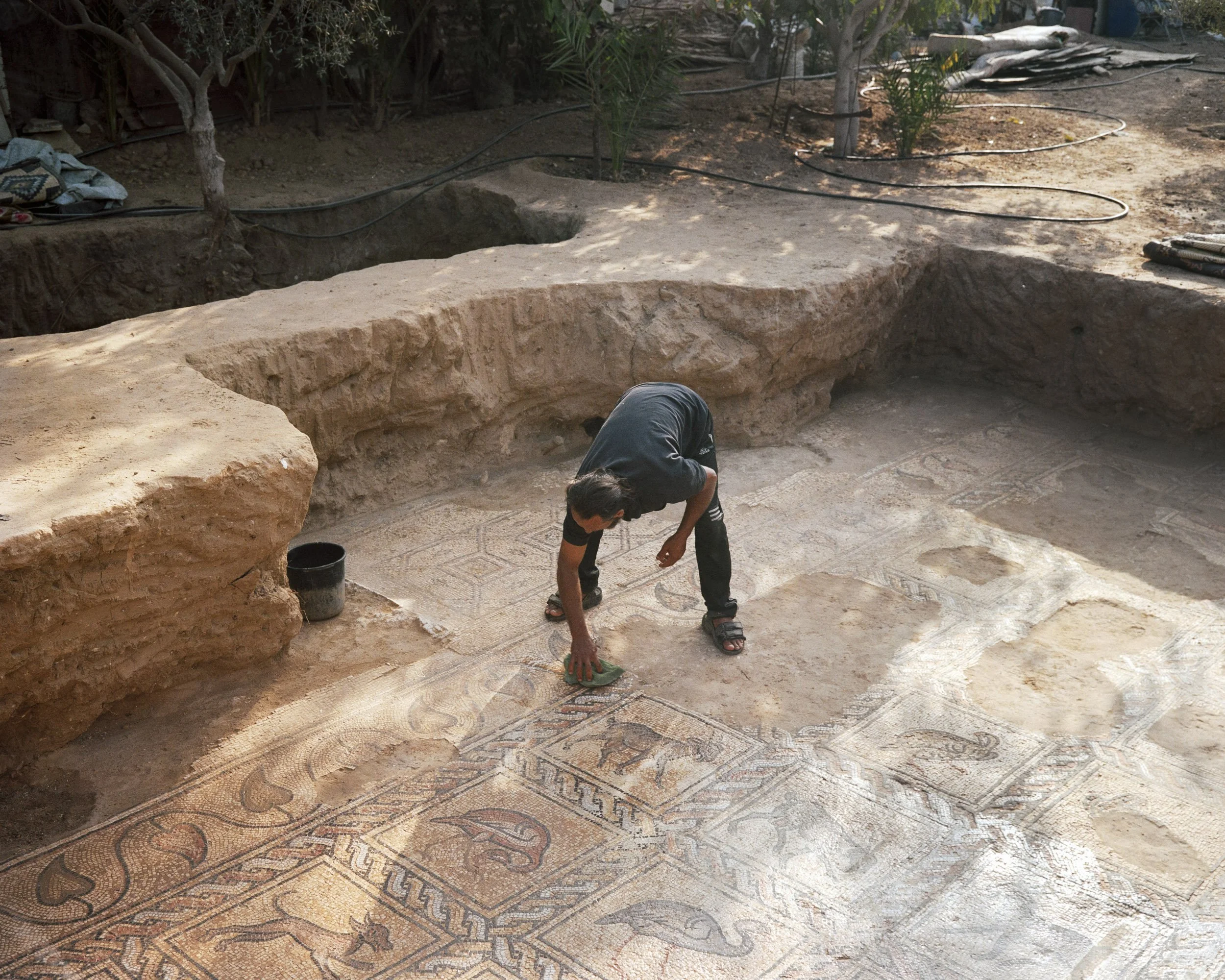
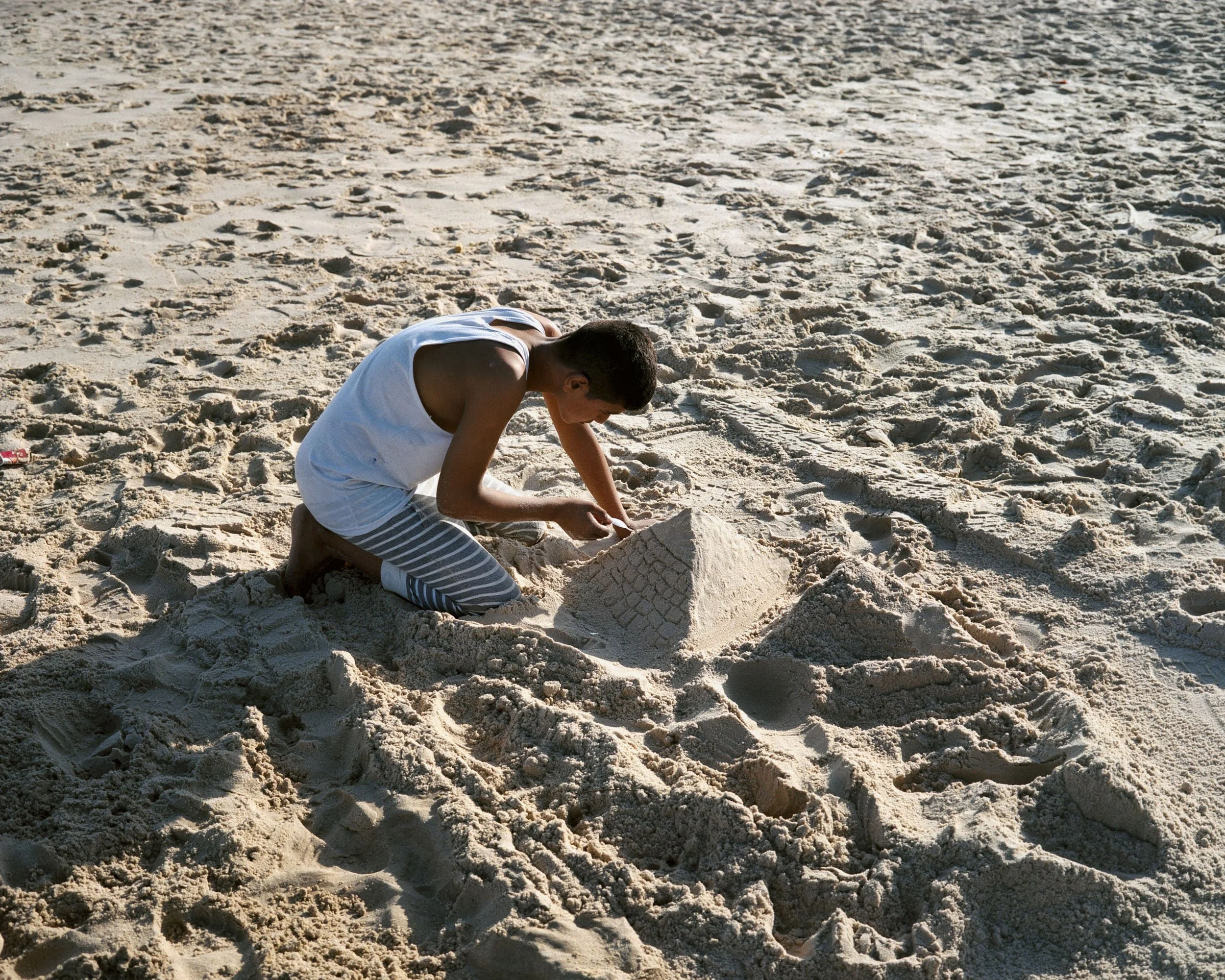
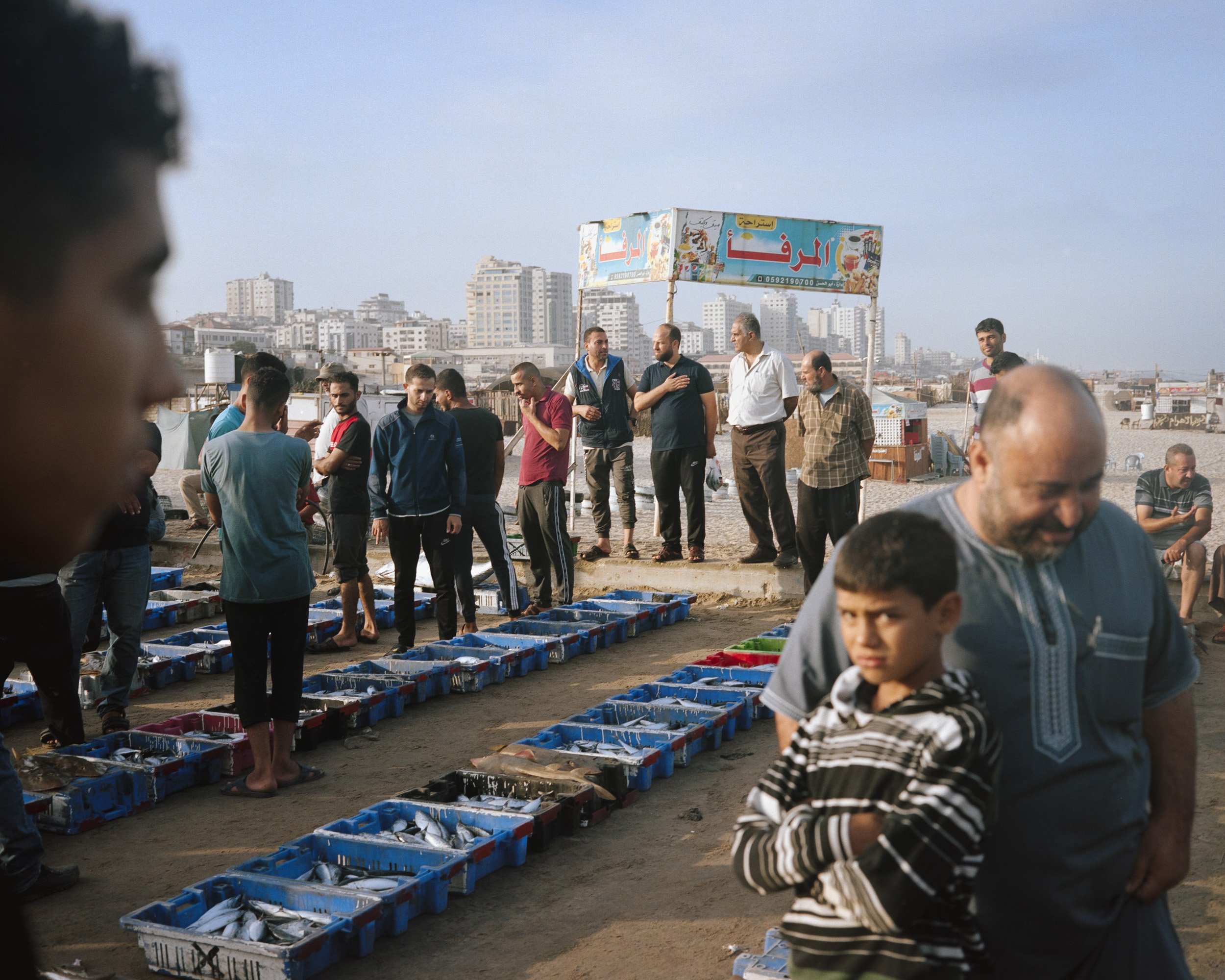
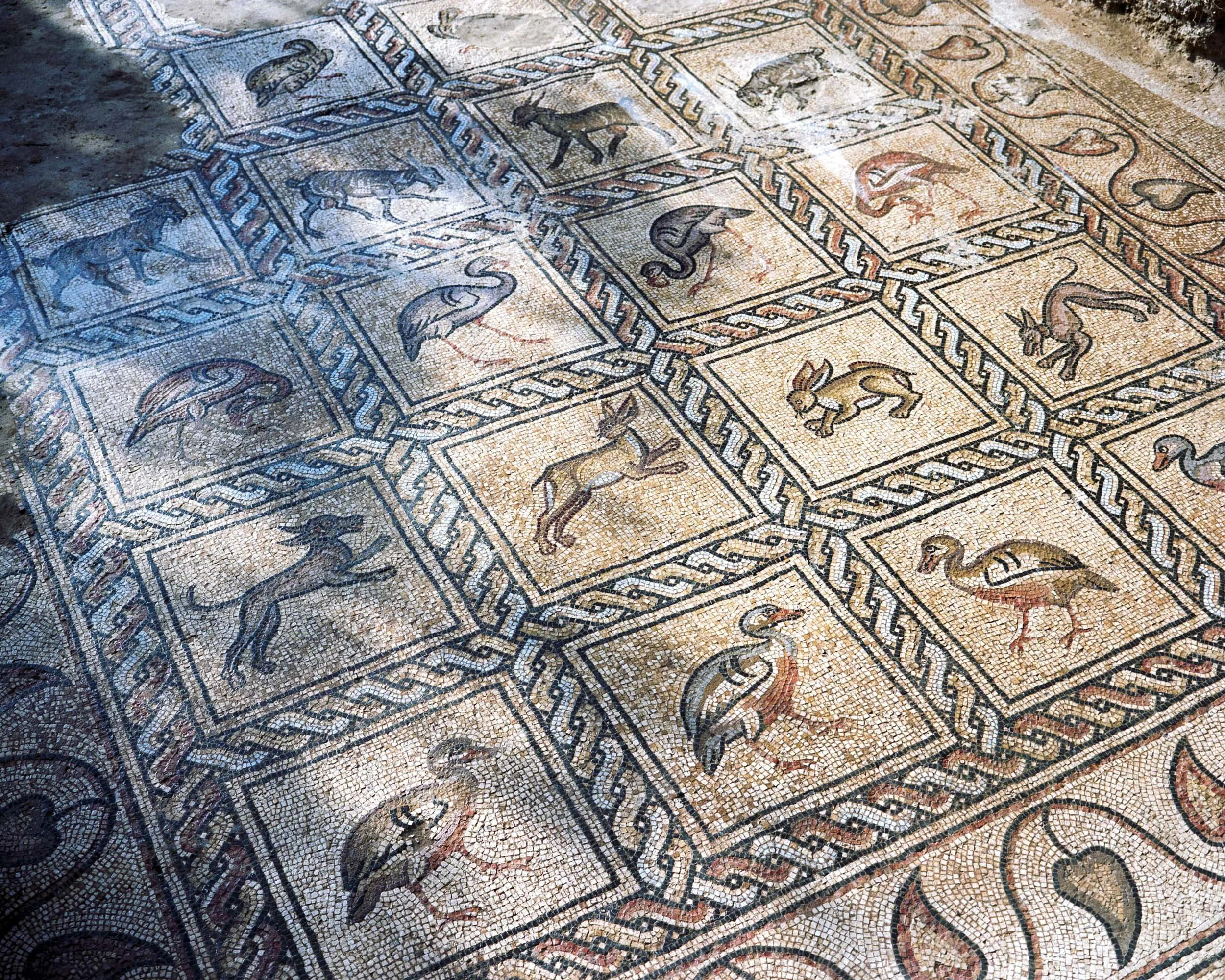
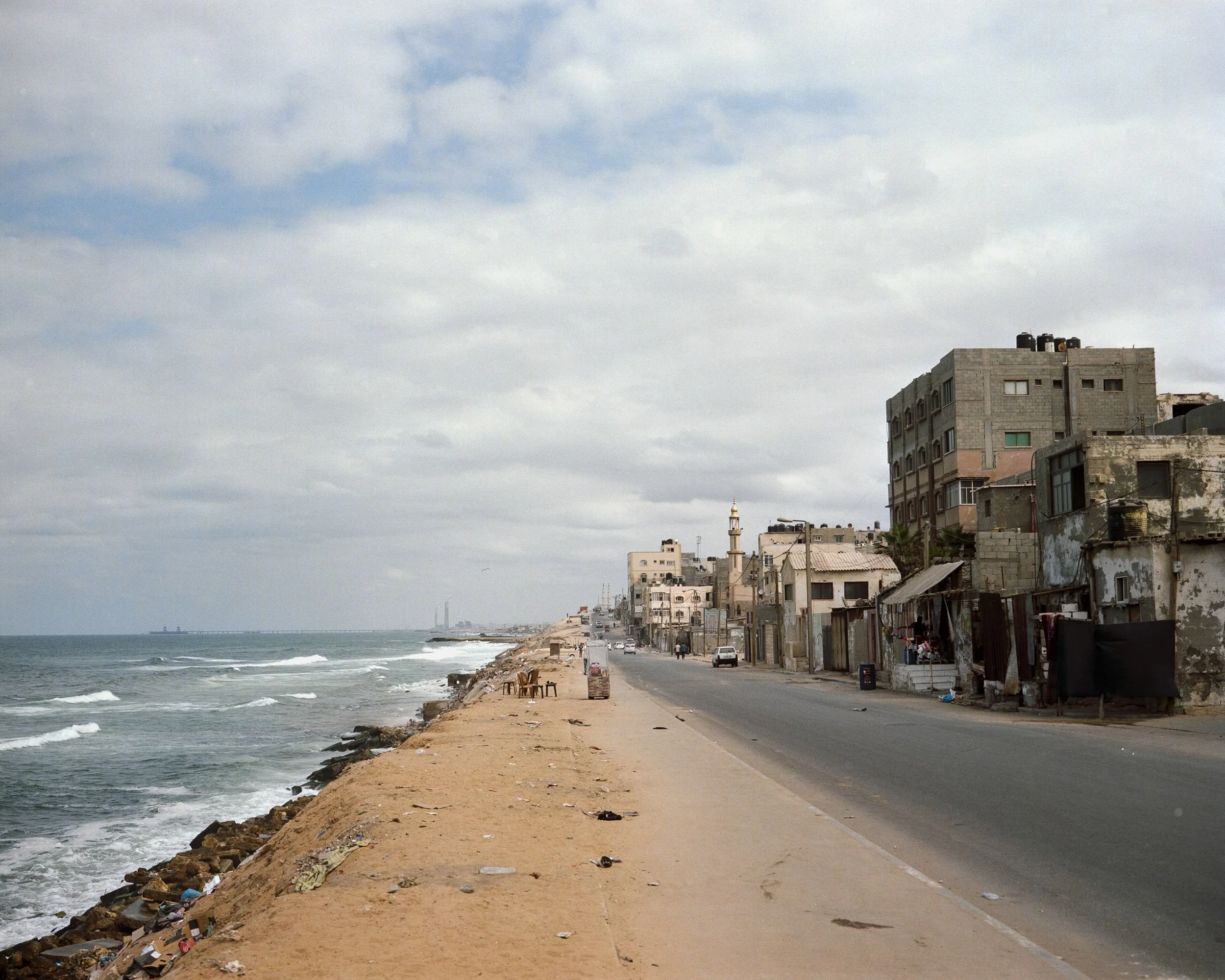
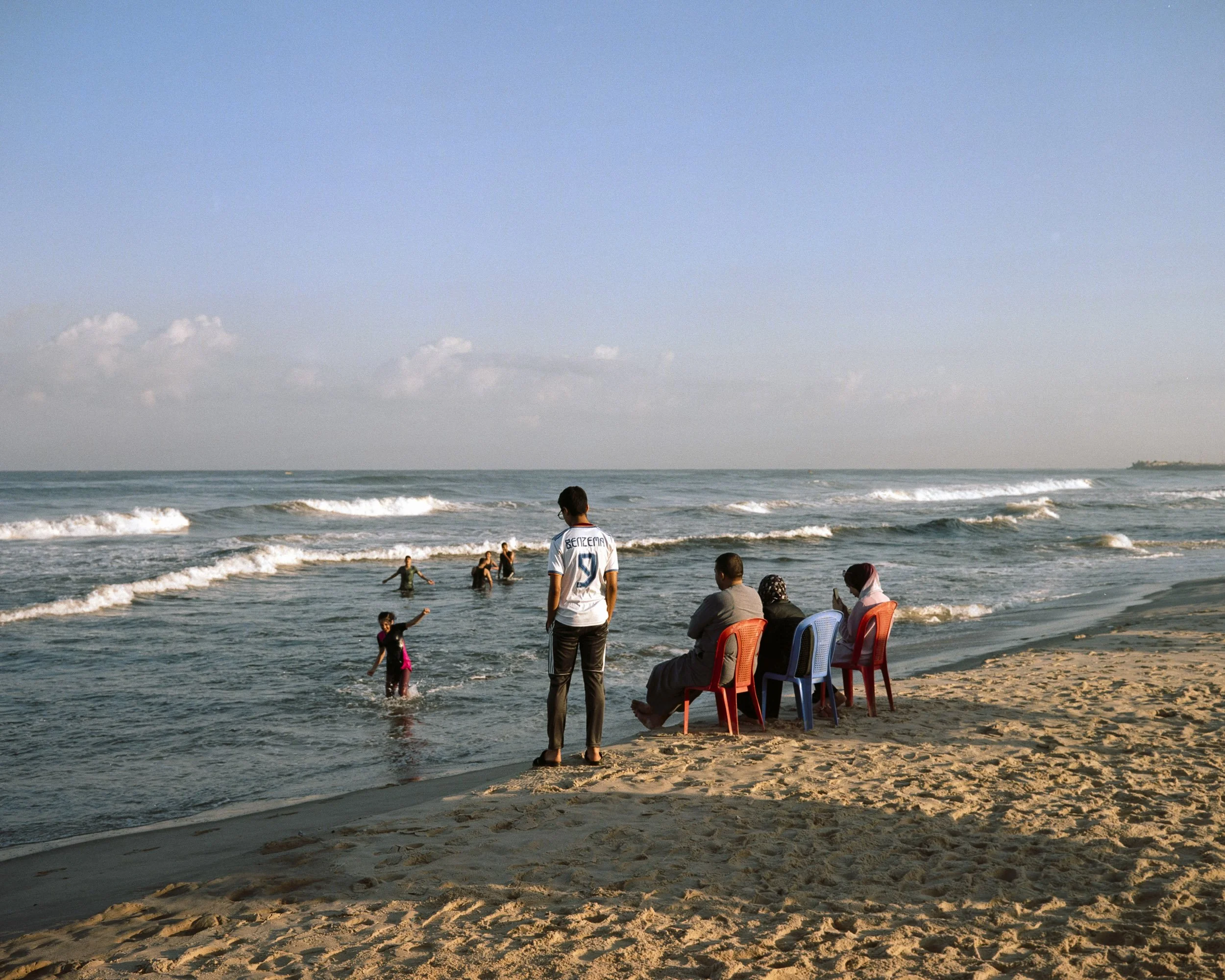
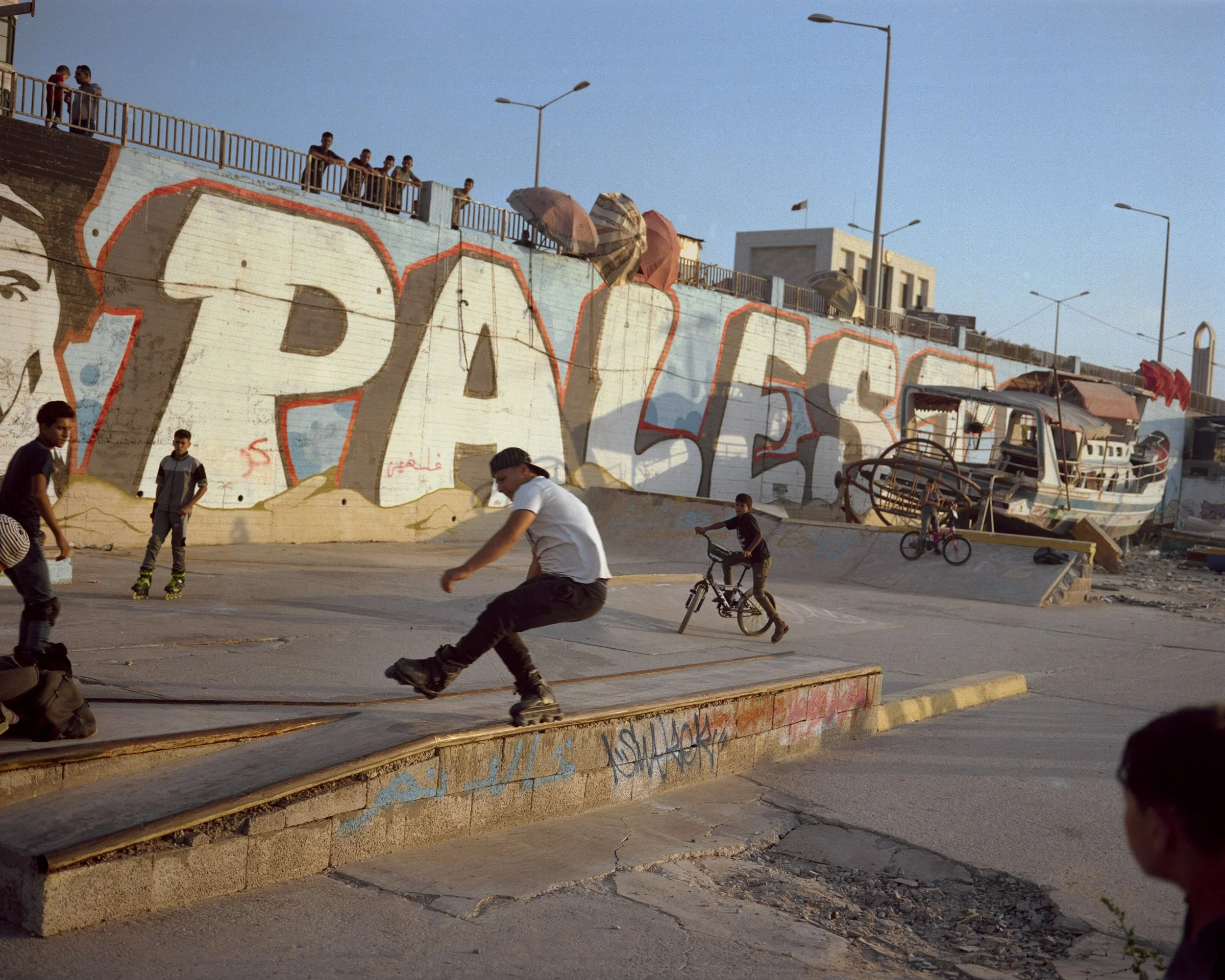
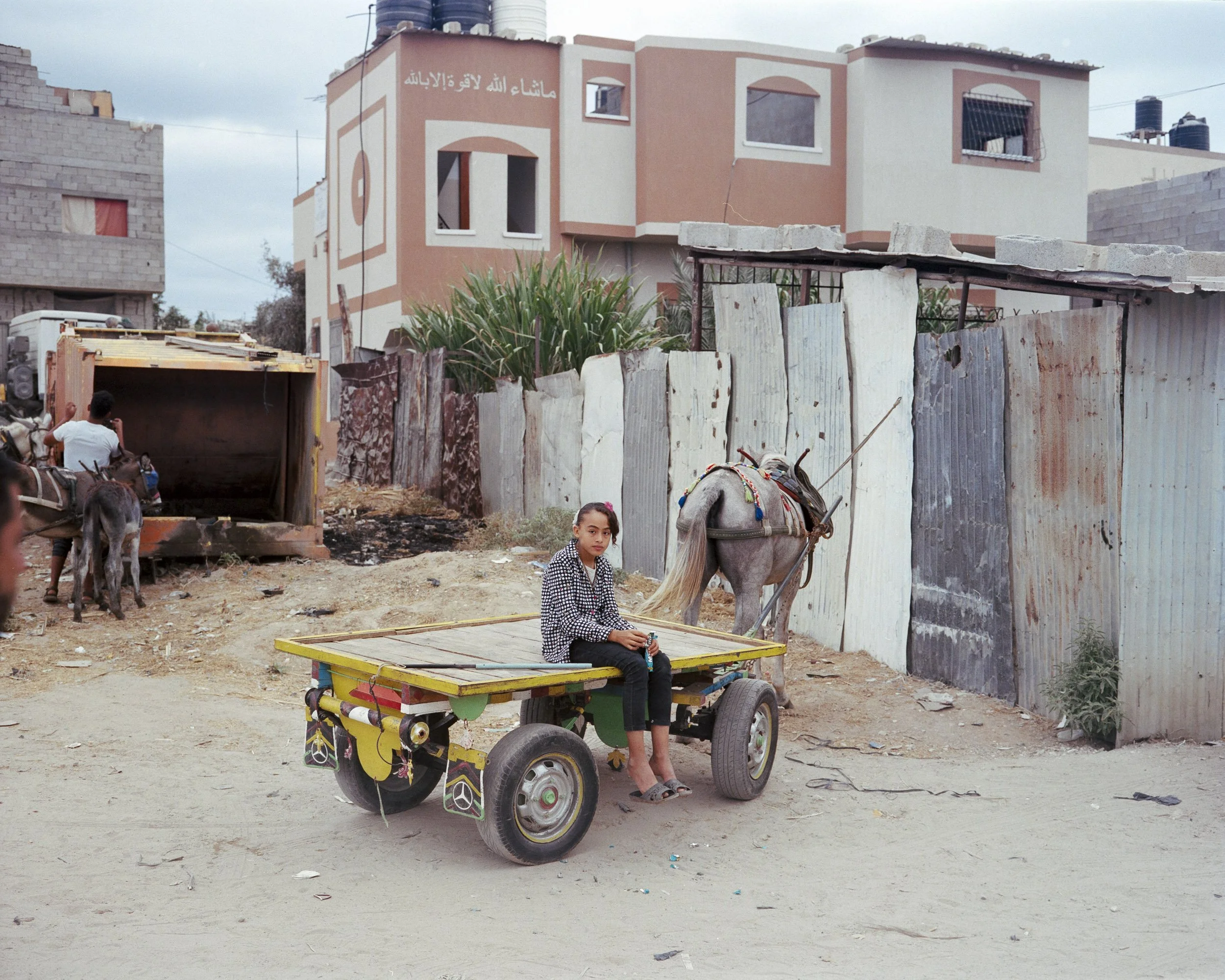
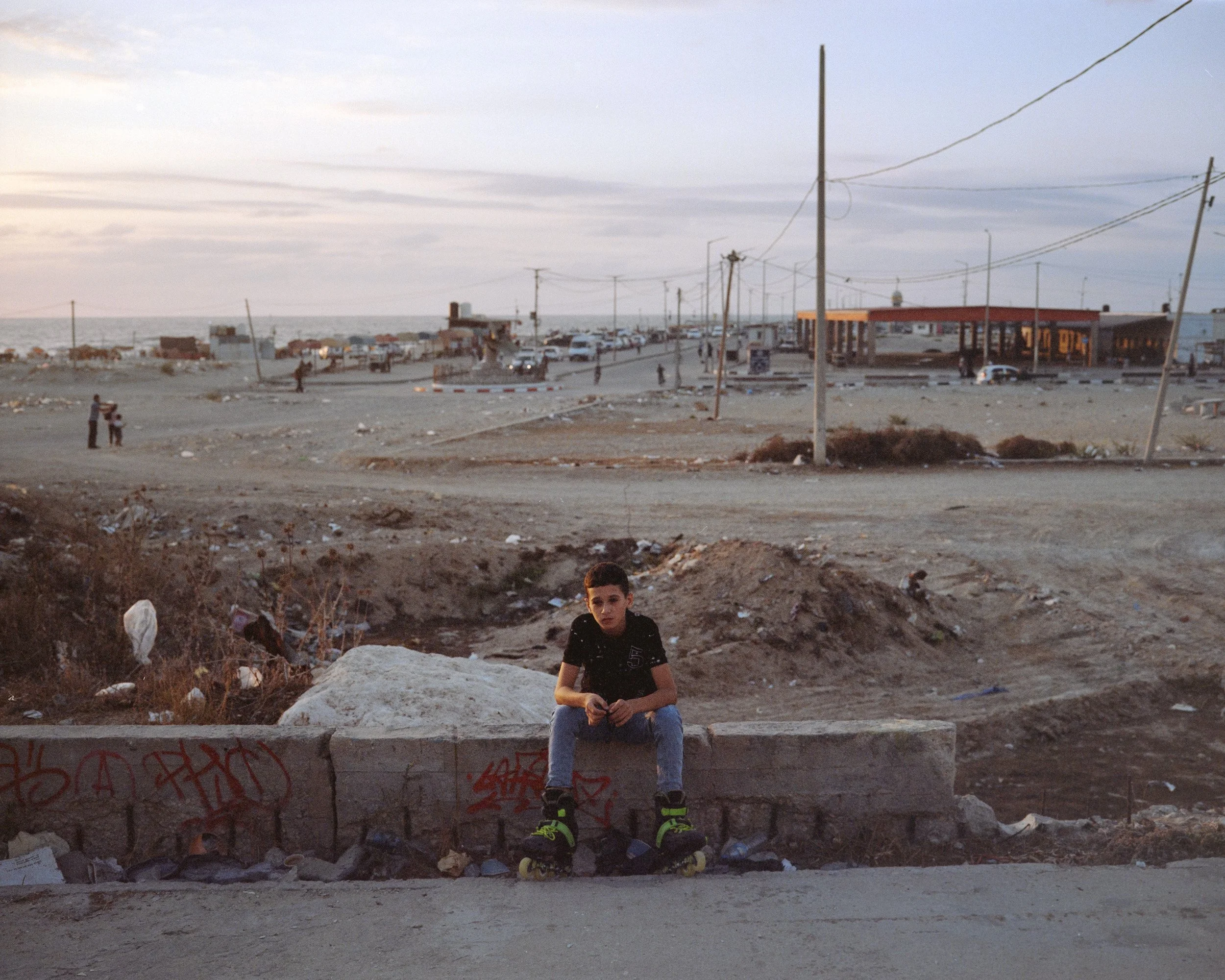
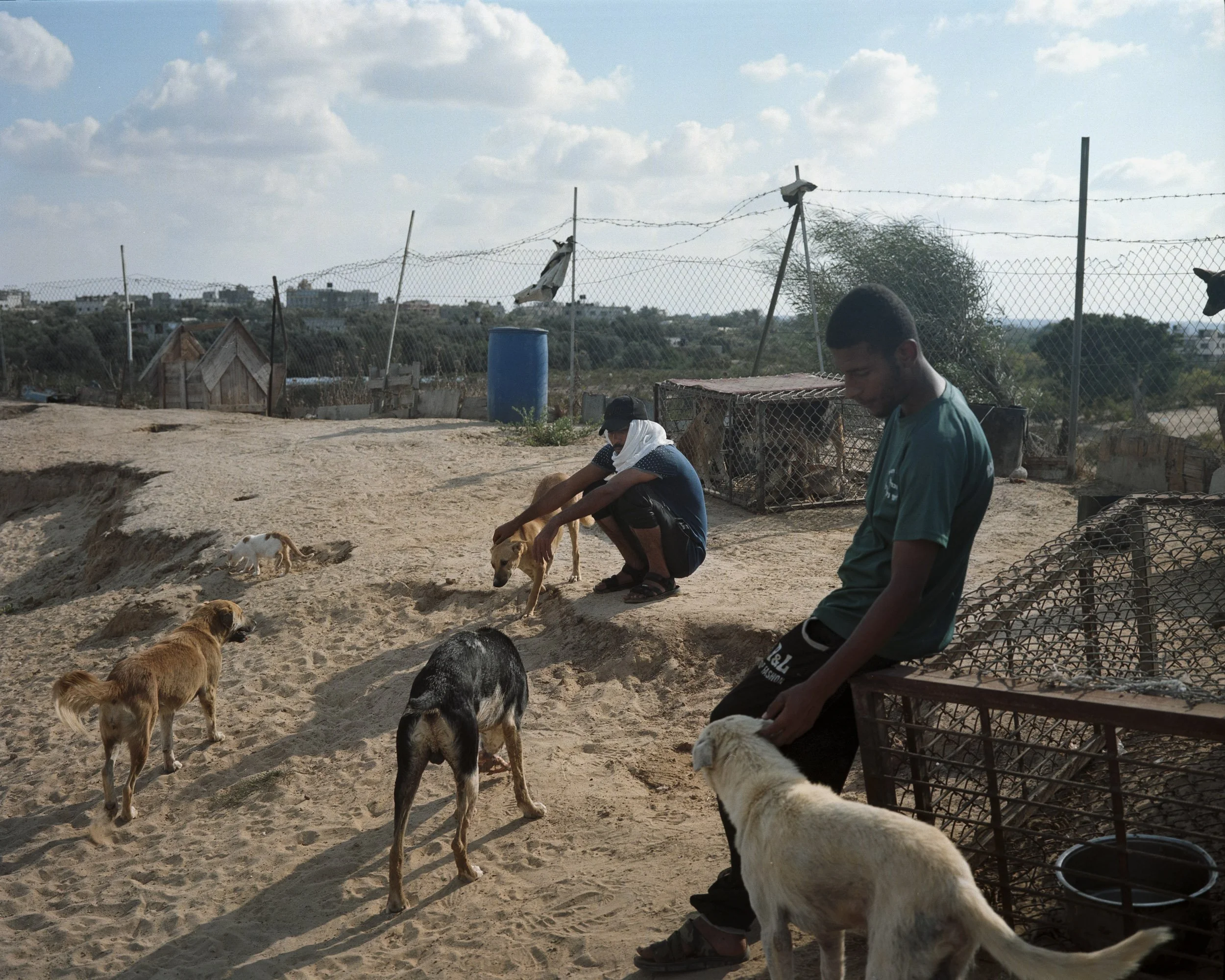
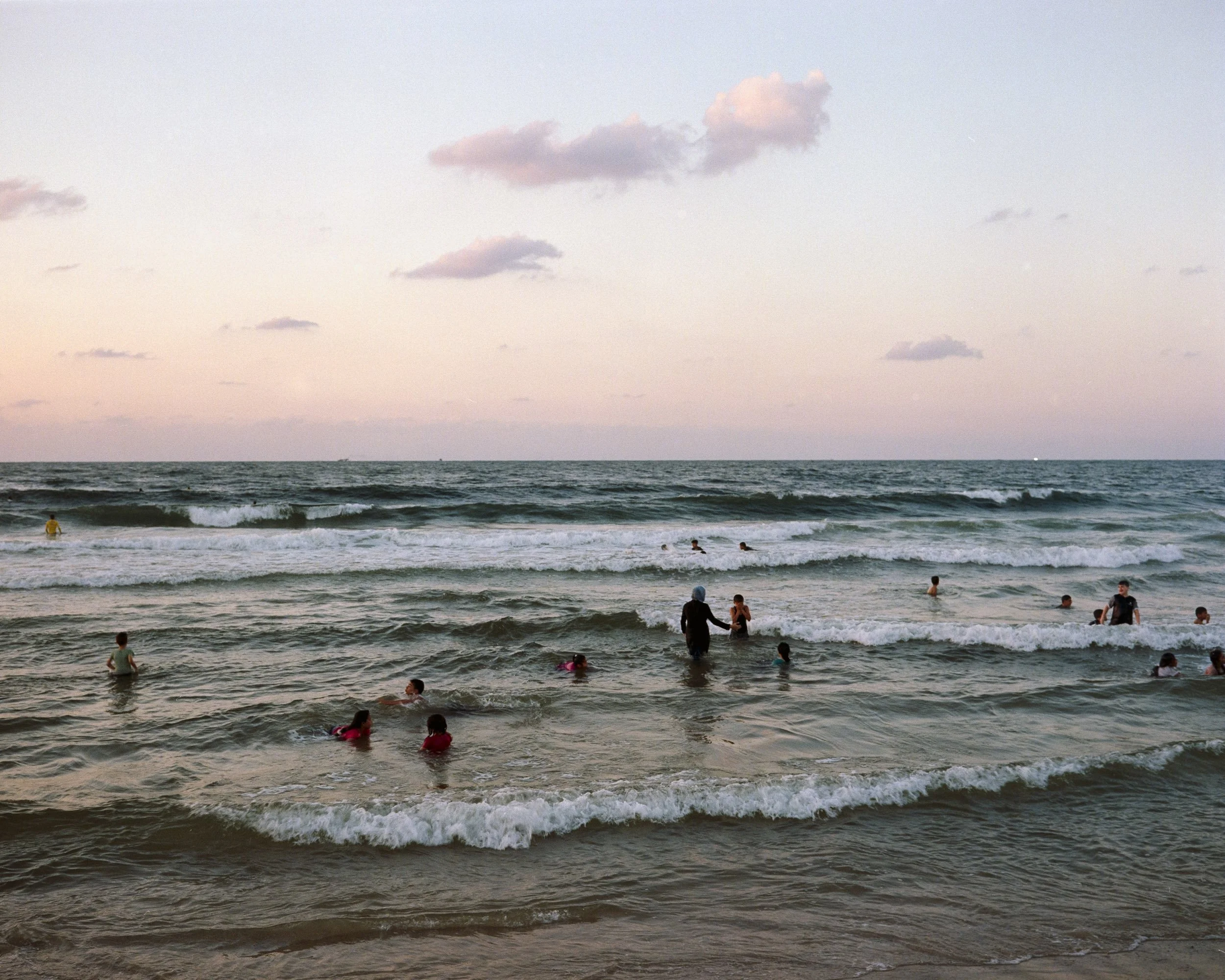
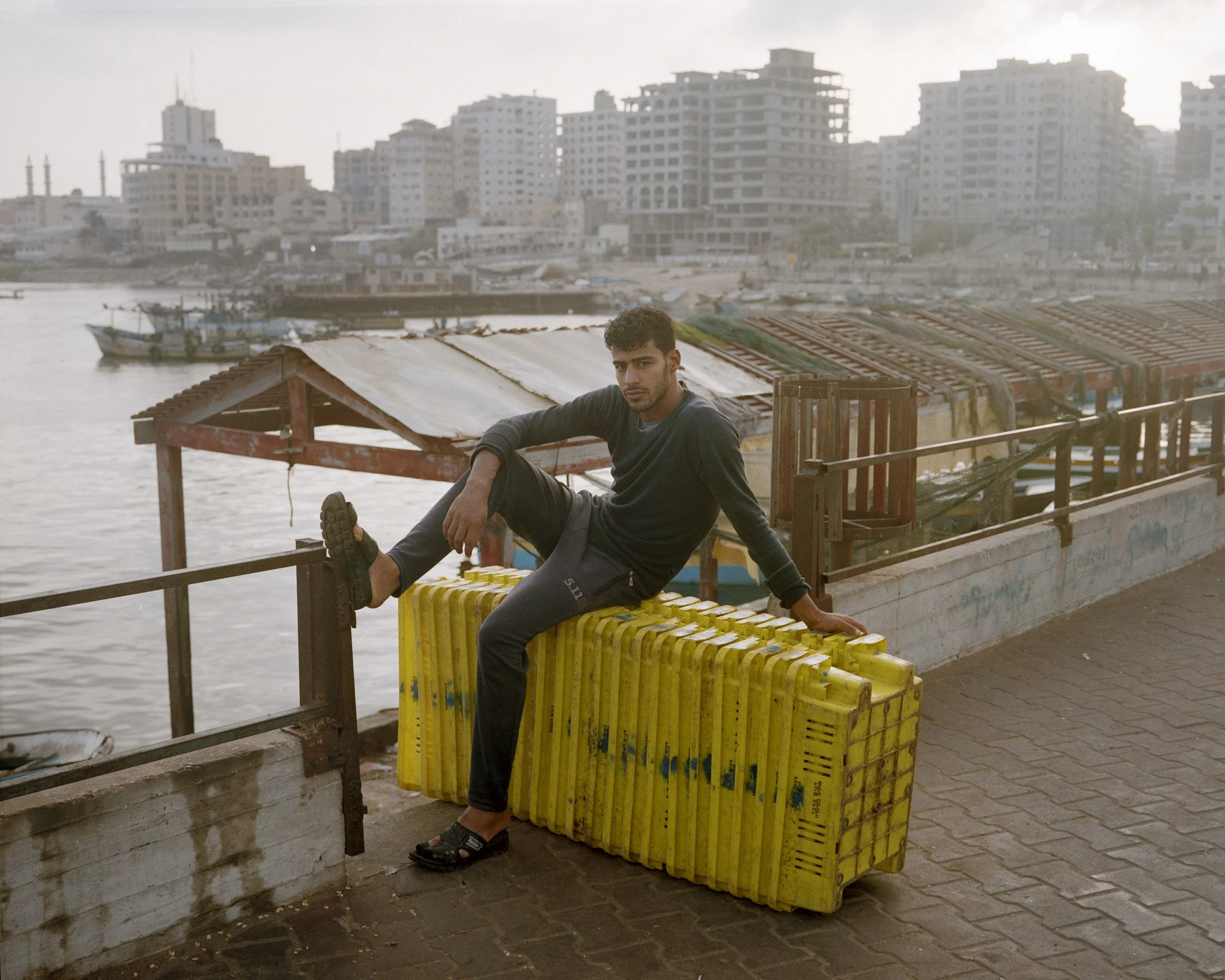
On the beach, children build sand pyramids under the amused gaze of adults sitting on plastic chairs facing the sea and its restricted horizon. The Israeli factories in Ashkelon—where people could work before the blockade—sometimes come into view, a distant reminder of life as it used to be: so close, yet so far. On a vacant lot in the middle of the Strip, a few volunteers have built Gaza’s only kennel to take in stray dogs, while at the weekly donkey market, a child has painted his animal with orange stripes, giving the herbivore a somewhat punk look. Salman is busy cleaning 6th-century mosaics he discovered in his garden in Bureij; meanwhile, Ayoub salvages rubble from the bombings to make concrete blocks that sell for a good price. "2014 was a good year," he says with a bitter laugh. In the harbor, a few men venture out into the permitted nautical miles, returning at dawn with their night’s catch, while across from the market, young people attempt kickflips on the broken concrete of an improvised skatepark.

Here, people summon up immense reserves of imagination to forget that the horizon never changes—a landscape of wire fencing, concrete, and water.
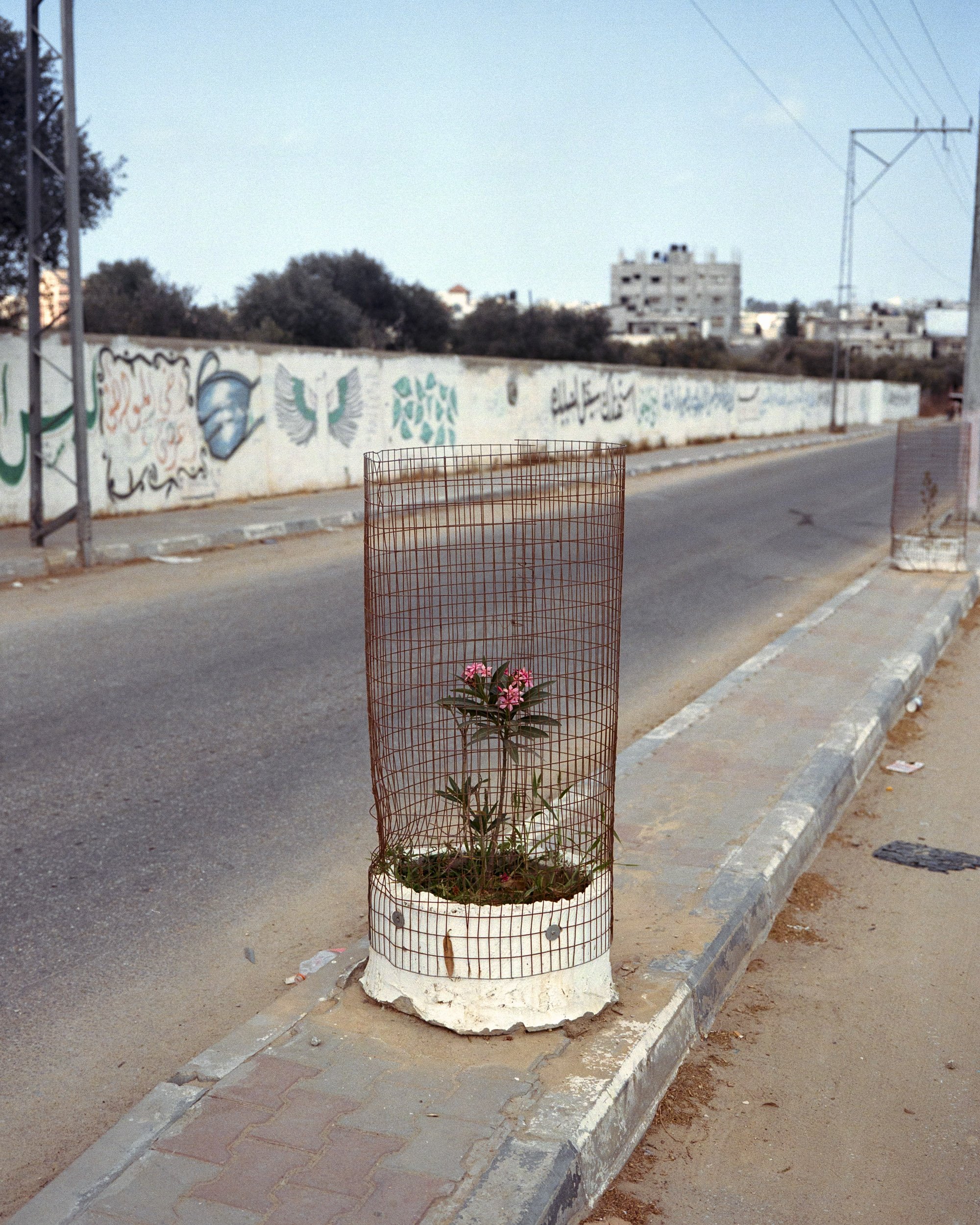
On the Bureij road, Gaza, October 5 2022.
Mohamed, fisherman, Gaza city, October 3rd 2022. © Lucien Lung / Riva-Press
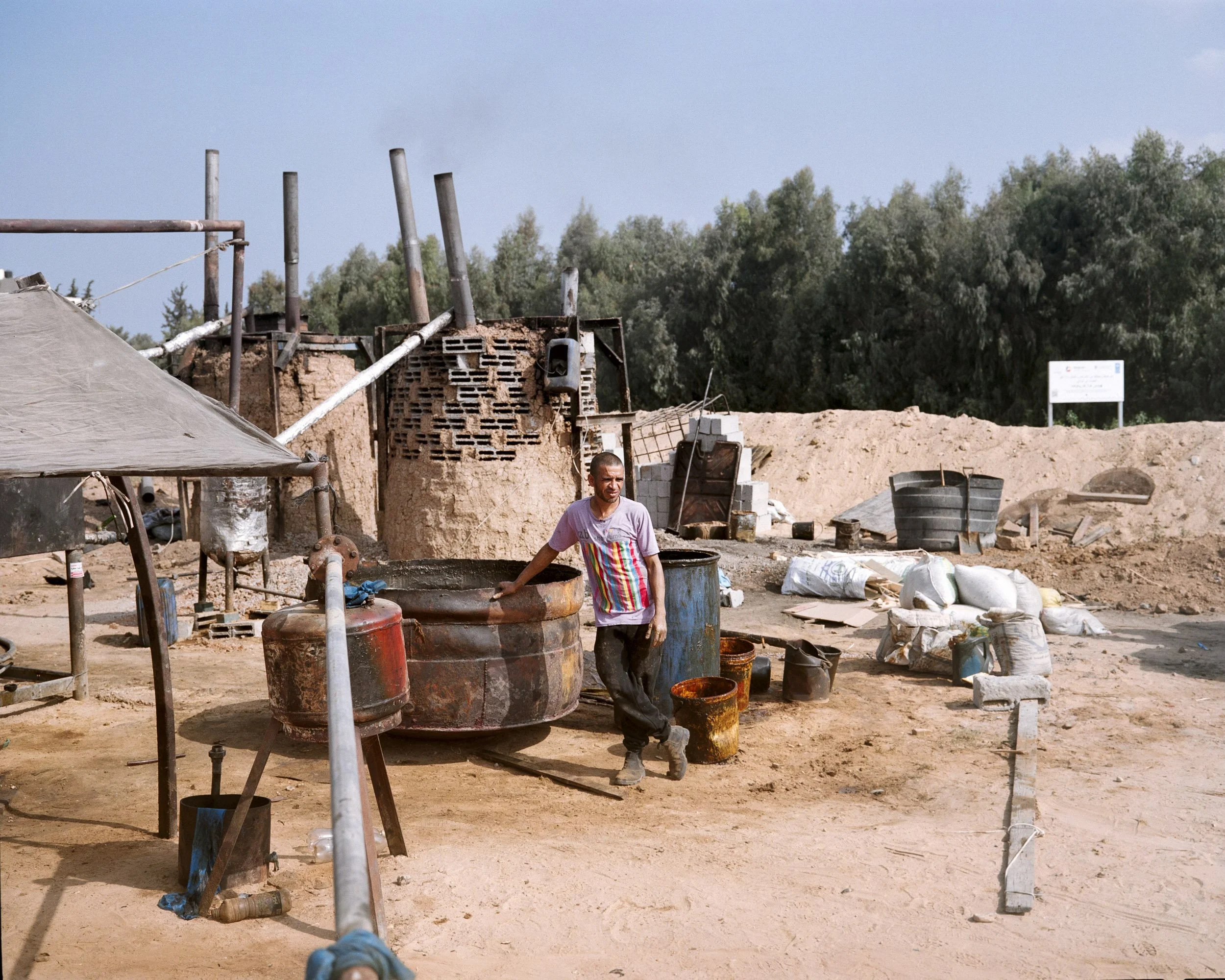
Ayoub, a worker at the debris and rubble recycling plant. Northern Gaza, October 2, 2022. © Lucien Lung / Riva-Press
Salman al-Nabahin cleans the 5th-7th century mosaics he discovered in his garden near Bureij. Gaza Strip, October 4, 2022. © Lucien Lung / Riva-Press
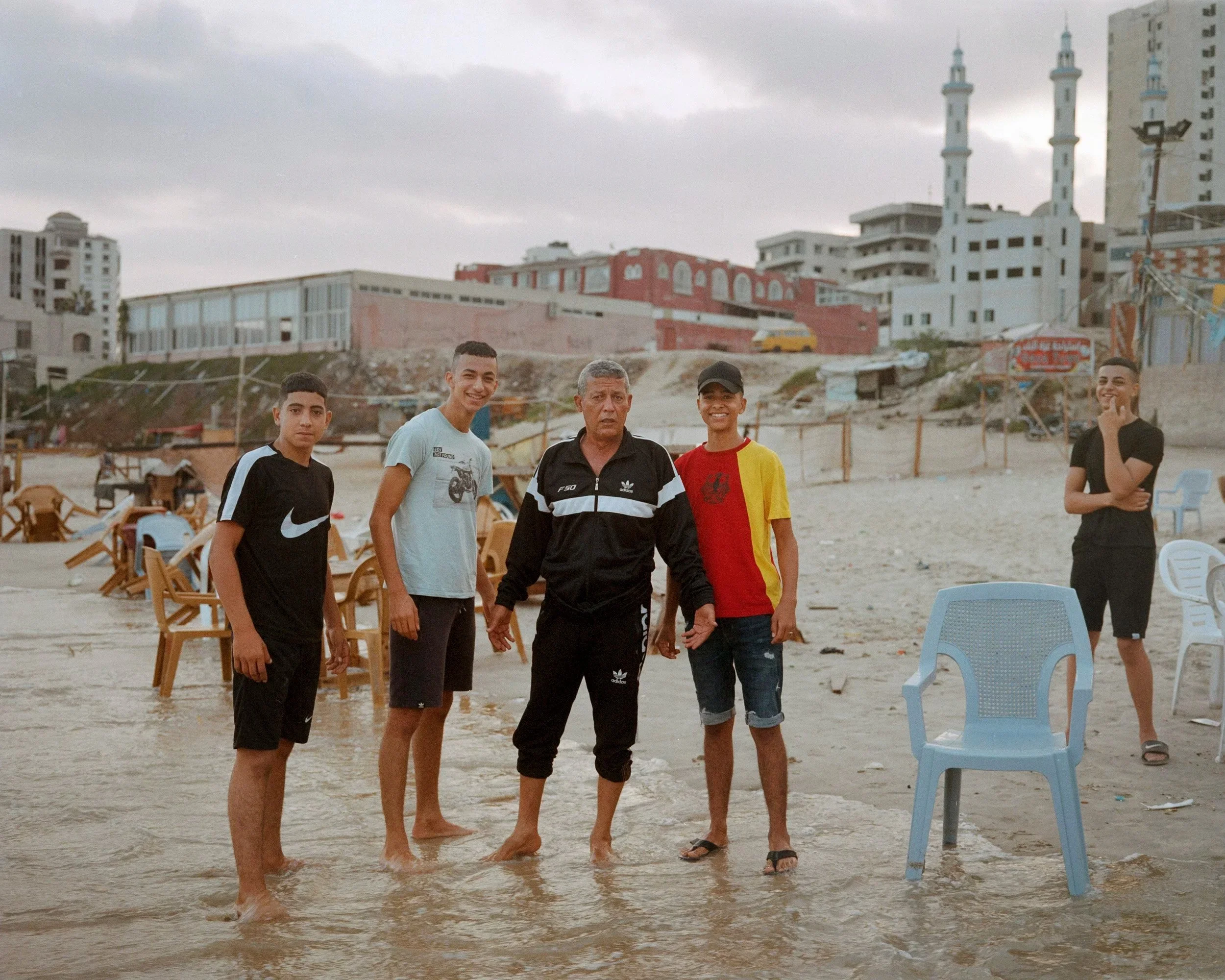
The beach boys team. Gaza city, October 4, 2022. © Lucien Lung / Riva-Press
Sand pyramid, Gaza, October 8 2022. © Lucien Lung / Riva-Press
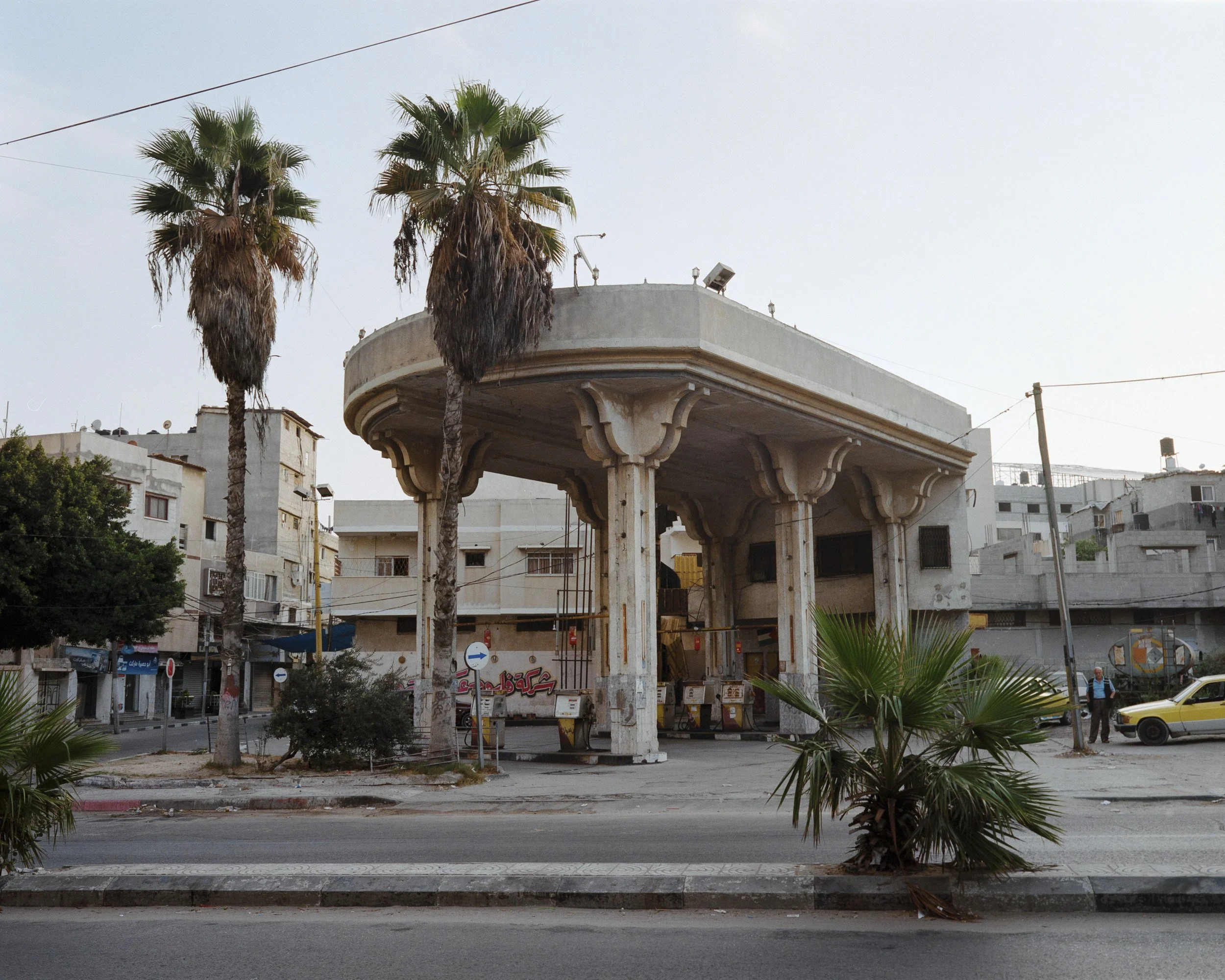
etrol station, Gaza City, October 4 2022.  © Lucien Lung / Riva-Press
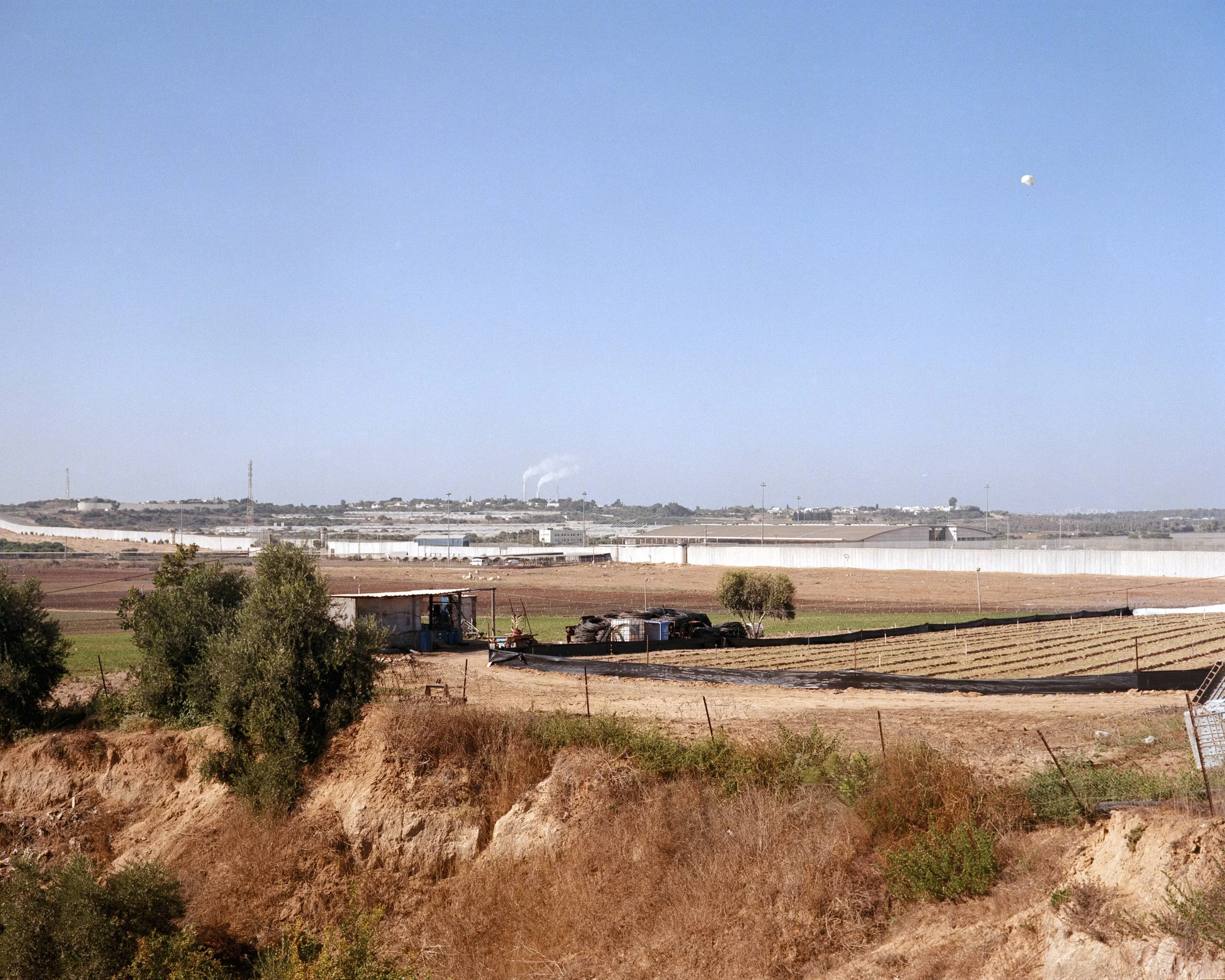
Eretz Crossing and the separation wall between Gaza and Israel. An Israeli surveillance balloon in the sky. October 2, 2022. © Lucien Lung
Early morning fish market in Gaza City. Gaza Strip, October 3, 2022. The fish are sold at auction. © Lucien Lung / Riva-Press
Wadi Gaza, October 4, 2022. The river flows through central Gaza. Despite the pollution, the authorities are trying to make it the enclave's first natural park. © Lucien Lung / Riva-Press
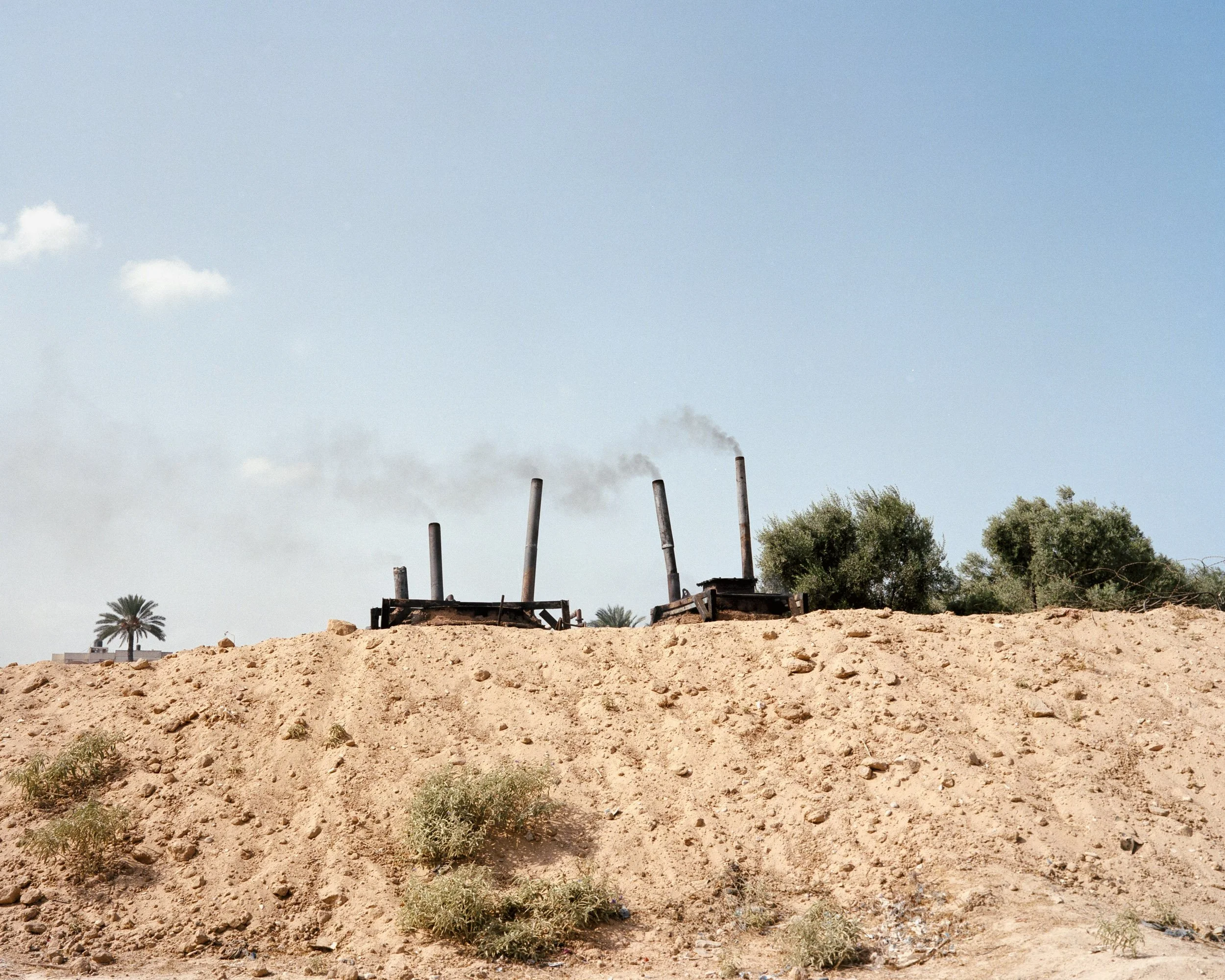
Plastic-to-petrol plant. Wadi Gaza, October 4, 2022. © Lucien Lung / Riva-Press
Mosaics from the 5th-7th century, discovered by Salman al-Nabahin in his orchard, near Bureij camp. Gaza Strip, October 4, 2022. © Lucien Lung / Riva-Press
Plastic-to-petrol plant. Wadi Gaza, October 4, 2022. © Lucien Lung / Riva-Press
Shati refugee camp, Gaza, October 7, 2022. Visible in the background are factories located in Ashkelon, Israel. © Lucien Lung / Riva-Press
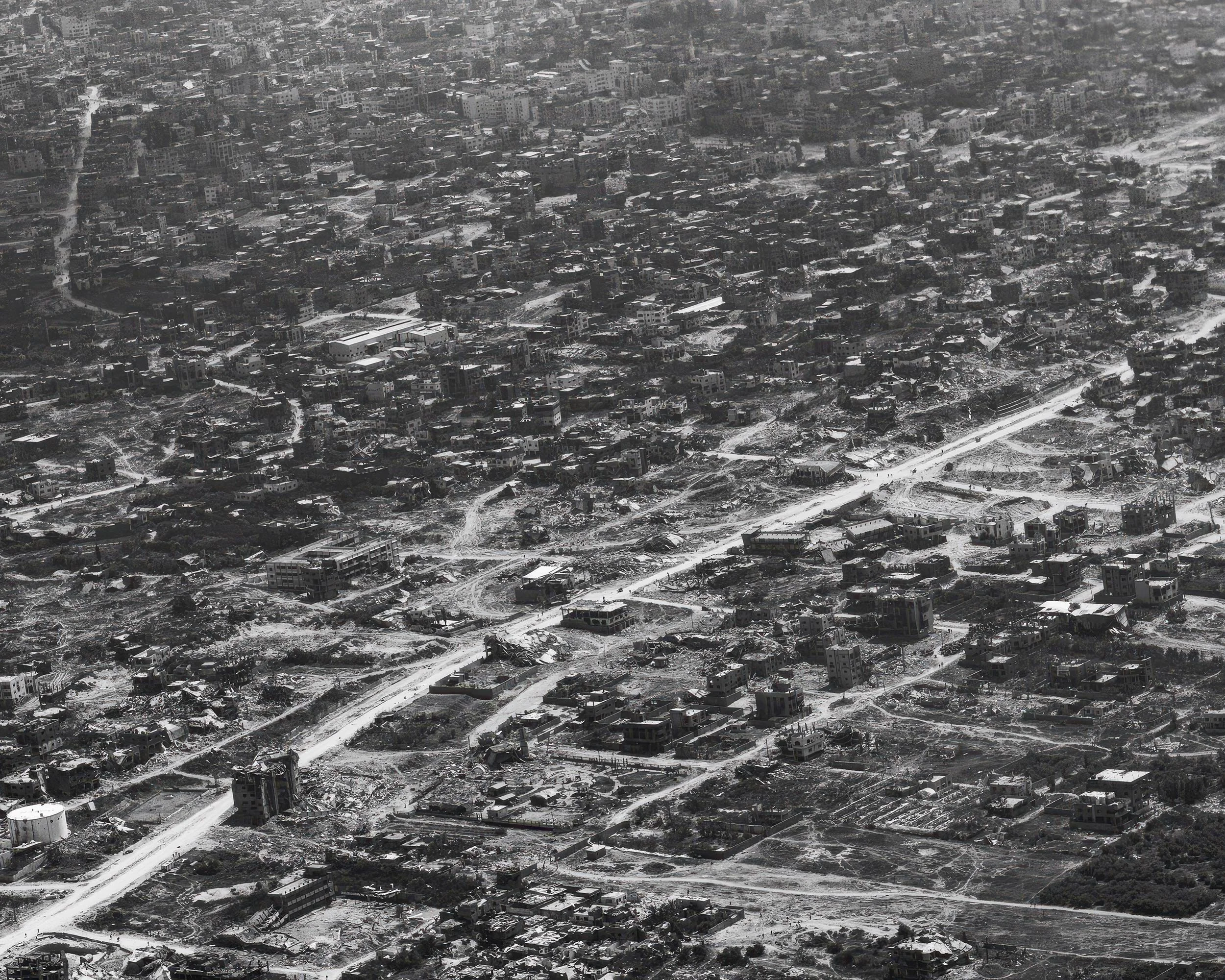
View of Jabaliya (also writtent Jabalia) and Beit Lahiya, in the northern Gaza Strip, April 9 2024. © Lucien Lung/Riva-Press
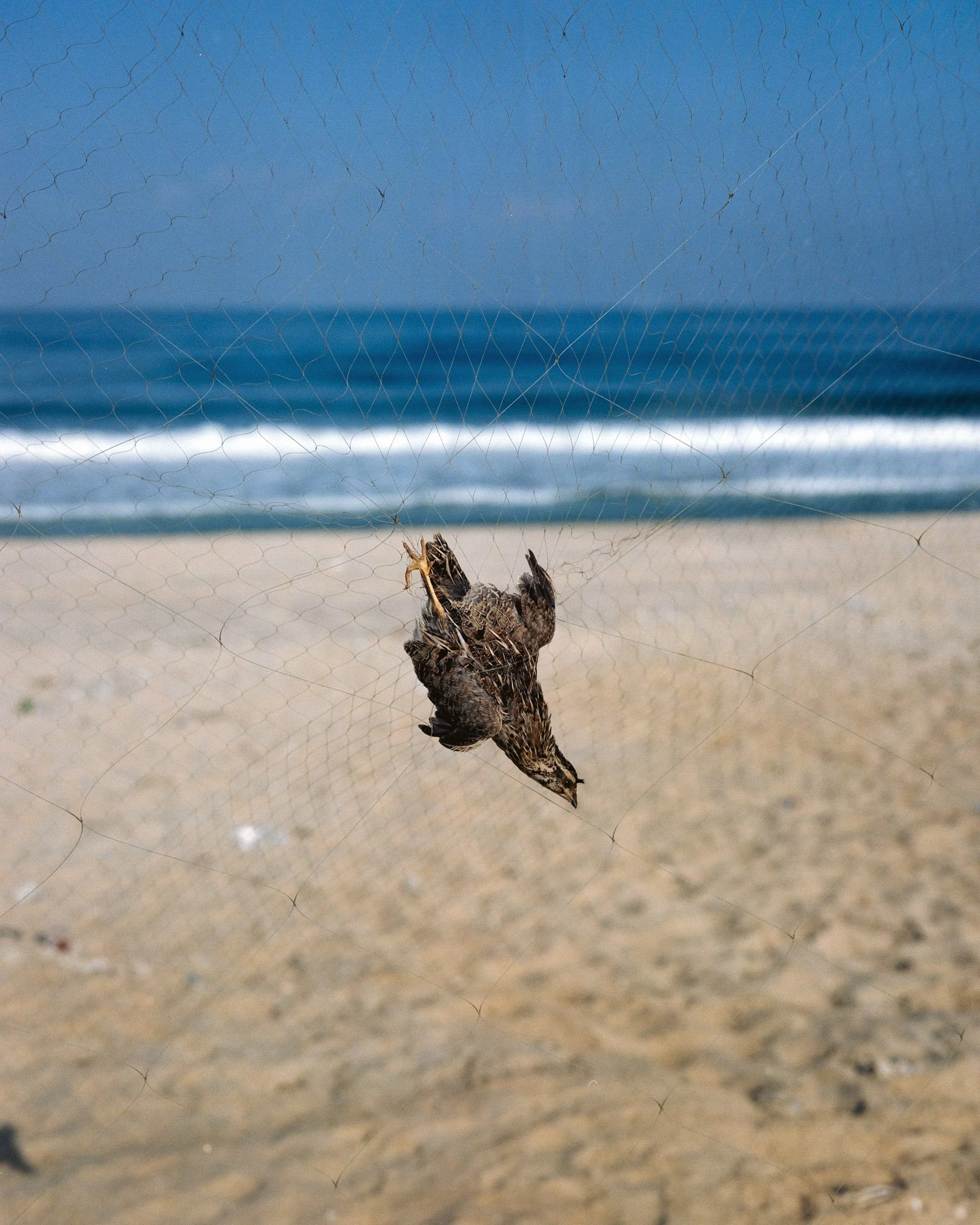
A "fehr" (quail) bird, caught in a net put the edge of the beach. Mawasi, Gaza, October 6, 2022. The pair of quail sells for 25 shekels (7 euros) at the market. © Lucien Lung / Riva-Press
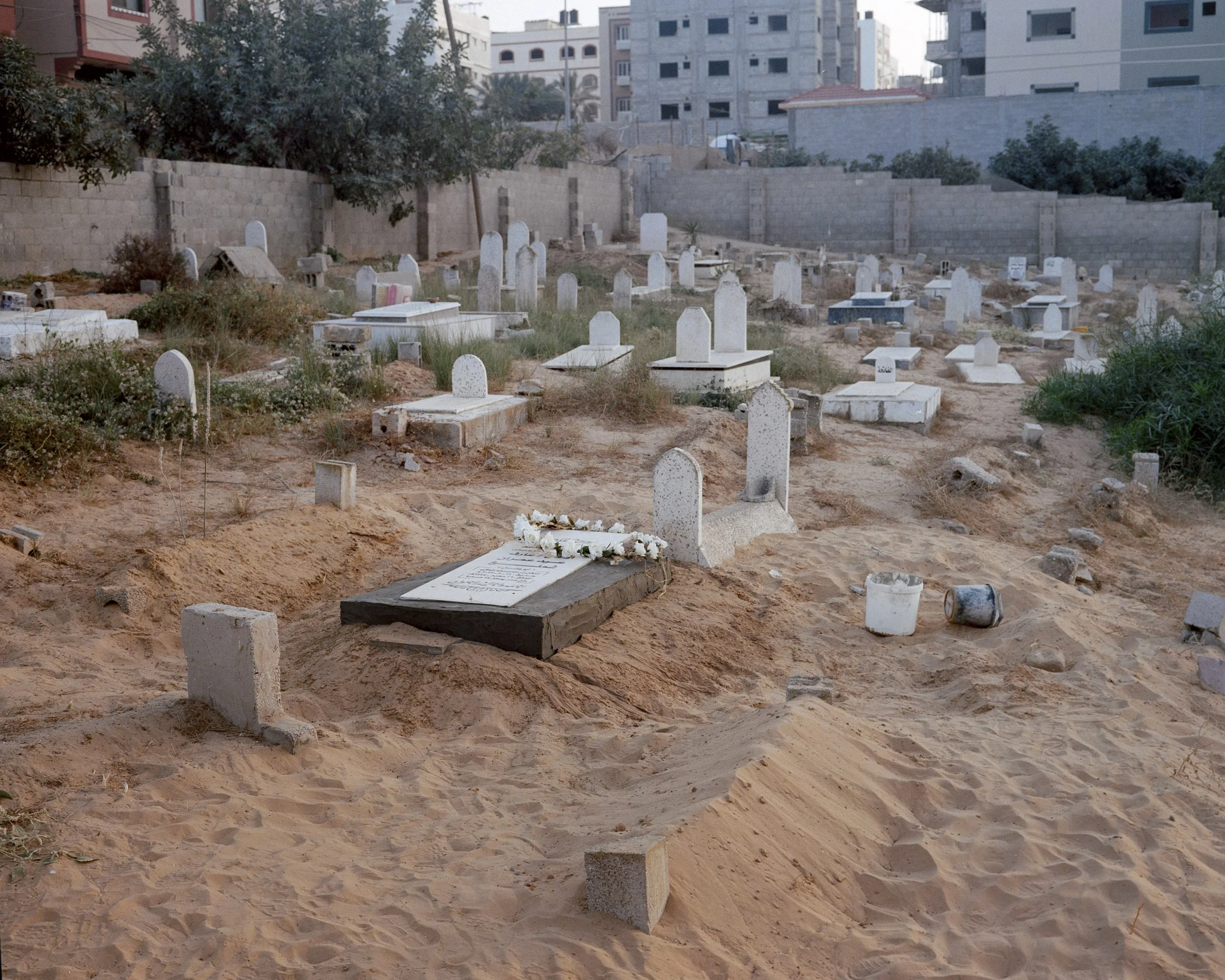
Gaza city cemetery, October 3rd 2022. © Lucien Lung / Riva-Press
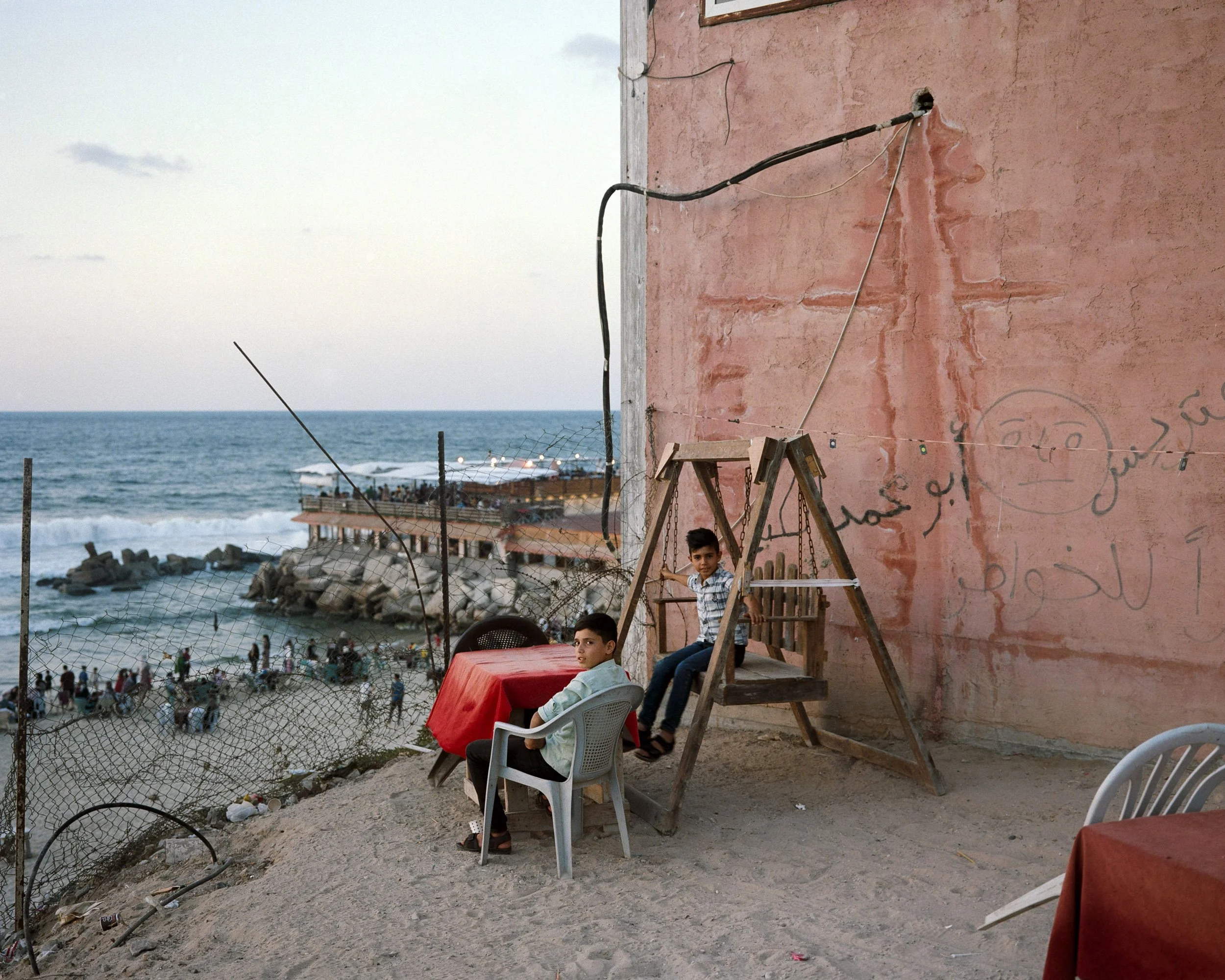
wo children enjoy the view above a beach in Gaza City, October 6, 2022. In the background, Al-Baqa cafe. © Lucien Lung / Riva-Press
A family enjoys the mild morning on the beach in Gaza City, October 8, 2022. © Lucien Lung / Riva-Press
Gaza skatepark, 7 octobre 2022. © Lucien Lung
Donkey market, Gaza city, October 7 2022. © Lucien Lung / Riva-Press
A young person on rollerblades takes a break, in Gaza City, October 7, 2022. Given the state of the roads, skateboarding and rollerblading are a challenge. © Lucien Lung / Riva-Press
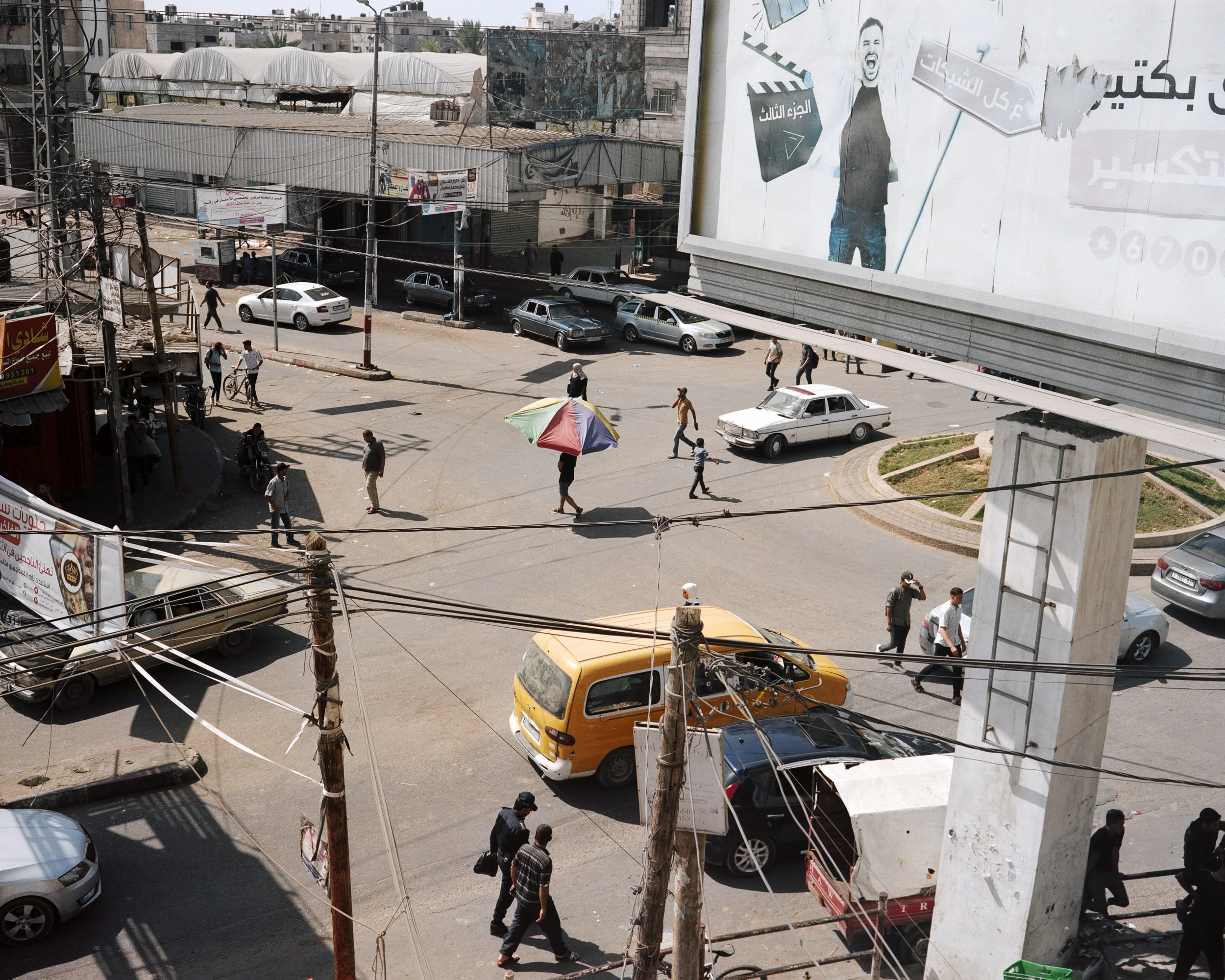
Rafah city center, Gaza, October 6 2022. © Lucien Lung / Riva-Press
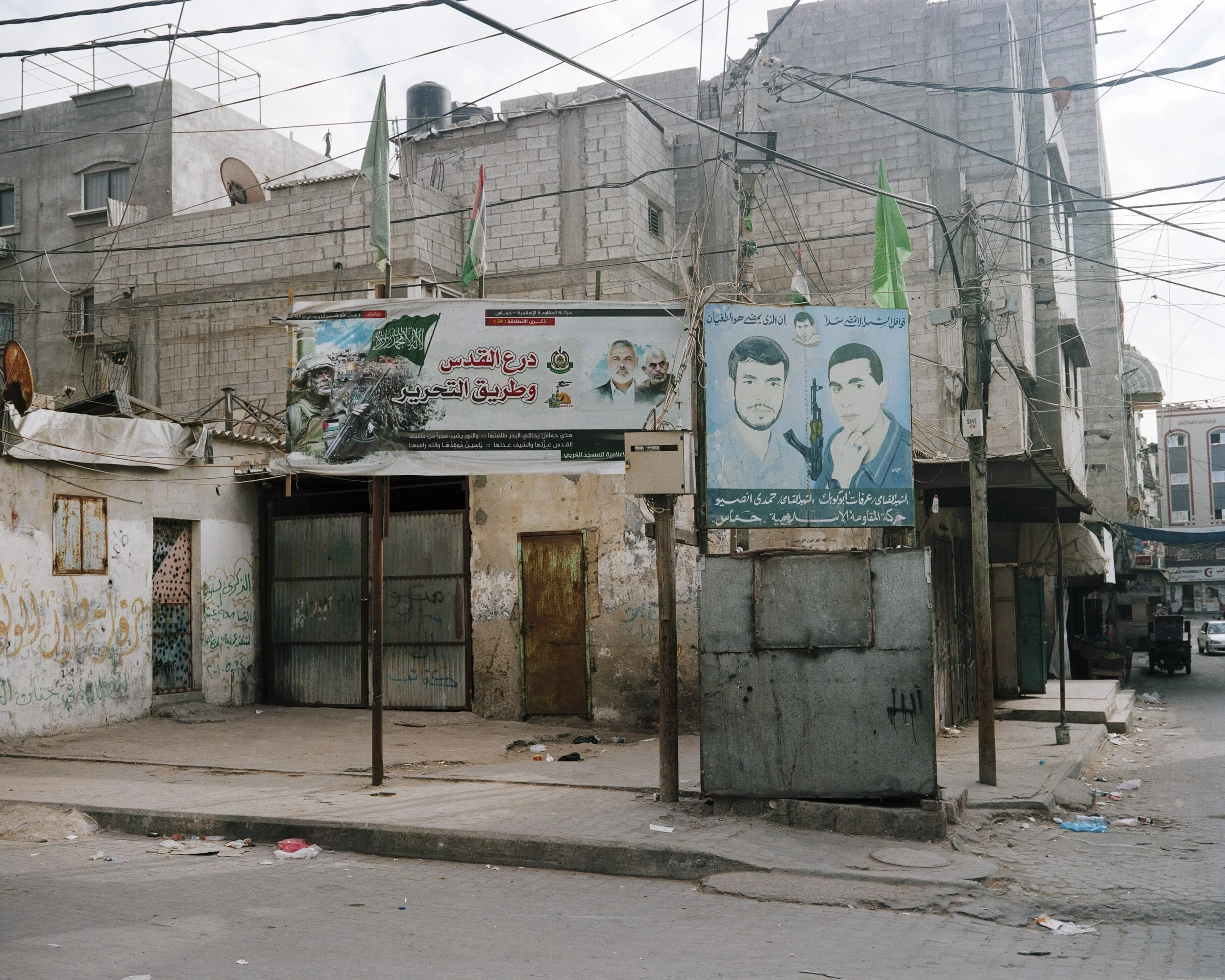
Images of martyrs and Hamas propaganda. Shati refugee camp. Gaza, October 7, 2022. © Lucien Lung / Riva-Press
Volunteers from the only kennel in Gaza, taking in stray dogs. Al Mughraqa, Gaza Strip, October 8, 2022. © Lucien Lung
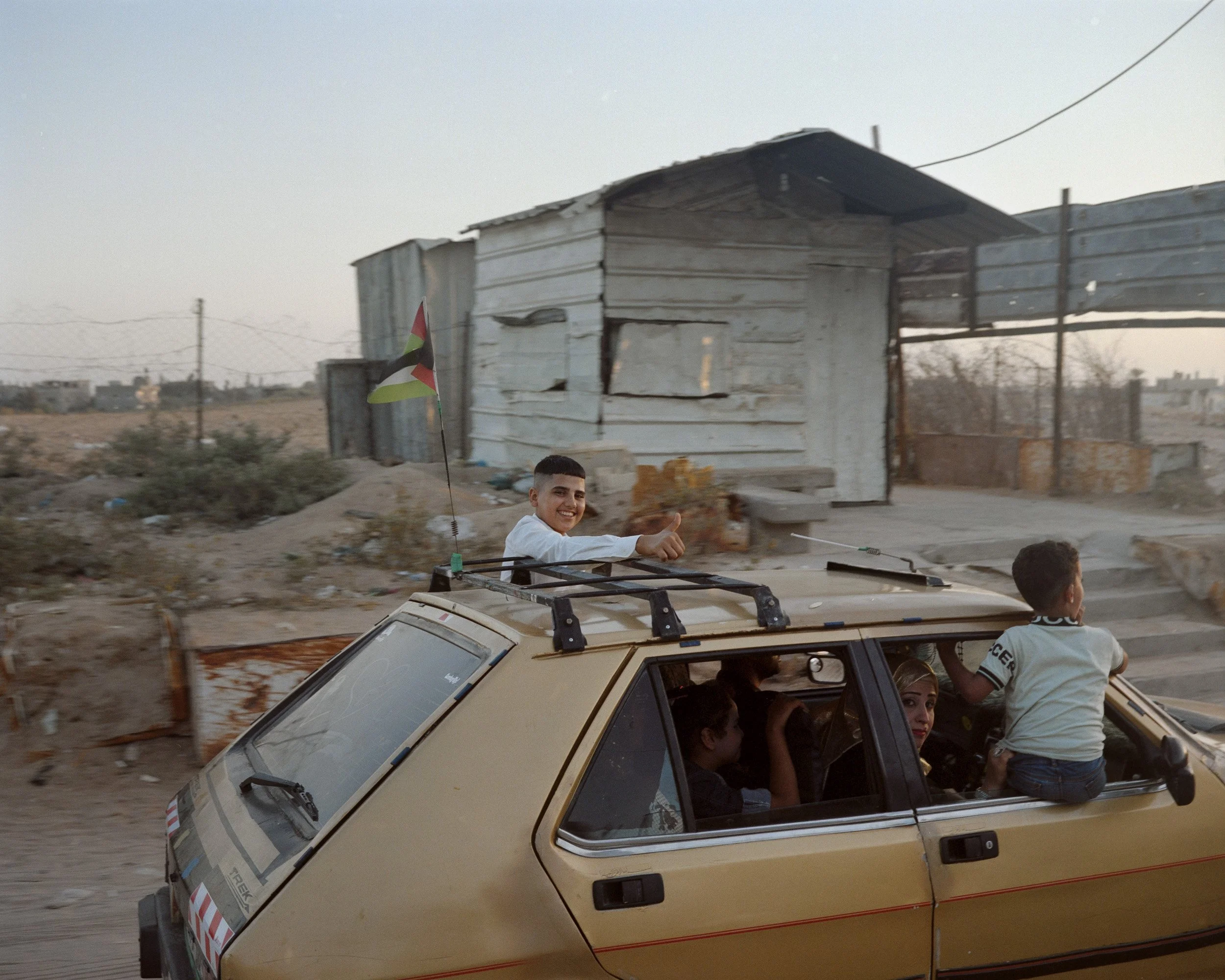
Wedding procession in Beit Hanoun, Northern Gaza, October 2 2022. © Lucien Lung / Riva-Press
View of Jabaliya (also writtent Jabalia) and Beit Lahiya, in the northern Gaza Strip. April 9 2024.
Gazans swim in the Mediterranean Sea. Gaza, October 8, 2022. © Lucien Lung / Riva-Press
Previous
Previous

Fil Mishmish